
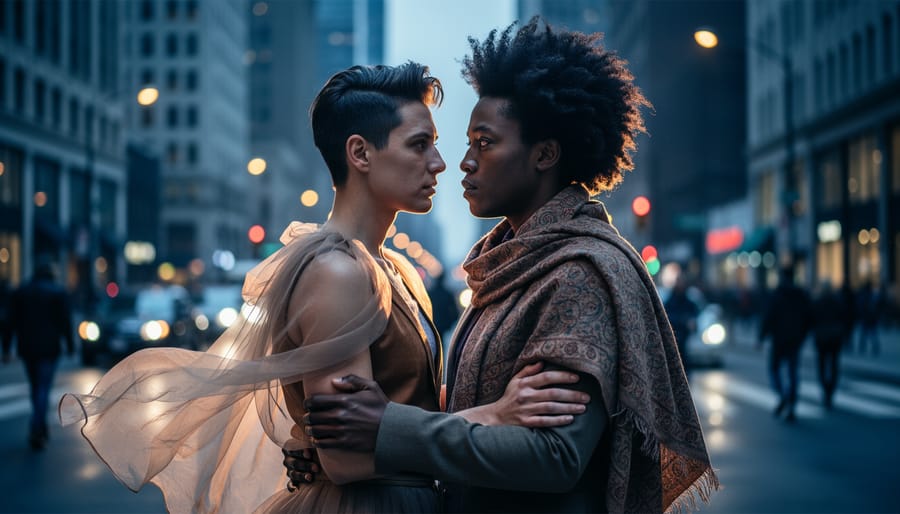
Racism and gender discrimination don’t operate in isolation. They collide, overlap, and magnify one another, creating distinct and compounding barriers for people who live at the intersection of multiple marginalized identities. For LGBTQ people of color, particularly transgender and nonbinary individuals, this intersection shapes daily experiences in ways that neither framework alone can fully capture. You might face workplace discrimination rooted in both your race and your gender identity, or encounter healthcare providers whose biases reflect layers of prejudice. Understanding how these systems work together isn’t just an academic exercise. It’s essential for building movements that truly protect everyone.
The term “intersectionality,” coined by legal scholar Kimberlé Crenshaw in 1989, gives us language for what many already knew from lived experience: forms of oppression don’t neatly separate themselves. A Black trans woman navigating public space faces risks and assumptions different from those encountered by white trans women or Black cisgender men. Latinx queer people confront stereotypes that blend racism, homophobia, and cultural expectations in specific ways. These realities demand that we move beyond single-issue advocacy.
In 2026, conversations about equity have grown more nuanced, yet gaps remain. Workplace diversity initiatives often center white experiences or fail to address how bias intensifies for those holding multiple marginalized identities. Mental health resources rarely account for the cumulative stress of facing both racism and gender-based discrimination simultaneously. Legal protections, where they exist, may address one form of discrimination while leaving others unaddressed.
This article explores how racism and gender discrimination intersect, drawing on personal stories and expert insight to illuminate the challenges and offer practical steps toward genuine inclusion. Whether you’re seeking validation for your own experiences or working to become a more informed ally, understanding these connections is where meaningful change begins.
Understanding Intersectionality: Where Race and Gender Meet
Think about what happens when you’re standing at a crossroads where two busy streets meet. You can’t just watch the traffic coming from one direction, you have to pay attention to both at once because the danger comes from where they intersect. That’s essentially what intersectionality means, and it’s why understanding where race and gender meet matters so much for LGBTQ people of color.
The term intersectionality was coined by legal scholar Kimberlé Crenshaw in 1989, but the concept describes something people have lived with forever. It recognizes that our identities aren’t neat, separate categories. Being Black and being queer aren’t two different experiences that you can switch between. They happen simultaneously, all the time, and they shape each other in ways that create entirely unique forms of discrimination.
Here’s what this looks like in real life: A white gay man might face discrimination for being gay. A straight Black woman might face discrimination for being Black and female. But a Black lesbian experiences something different from either of them. She doesn’t just face homophobia plus racism plus sexism as three separate things. She encounters specific prejudices that exist only at that intersection, assumptions, stereotypes, and barriers that wouldn’t apply to white queer women or straight Black women.
Research on racial differences among LGBT adults shows these disparities aren’t theoretical. LGBTQ people of color report higher rates of employment discrimination, housing instability, and healthcare denial than their white LGBTQ counterparts. They’re also more likely to experience violence and less likely to report it to authorities because of justified distrust in systems that have historically harmed their communities.
The expectations are different too. A trans woman of color faces scrutiny about her gender expression through a racialized lens that white trans women don’t encounter. What’s considered “professional” hair or clothing often reflects white, cisgender norms, making it harder for her to be seen as authentic in her identity without being penalized for not conforming to both racial and gender expectations.
Understanding intersectionality means recognizing that fighting for LGBTQ rights without addressing racism leaves people of color behind. And fighting racism without considering gender and sexuality does the same thing. Real equality requires seeing the whole picture.
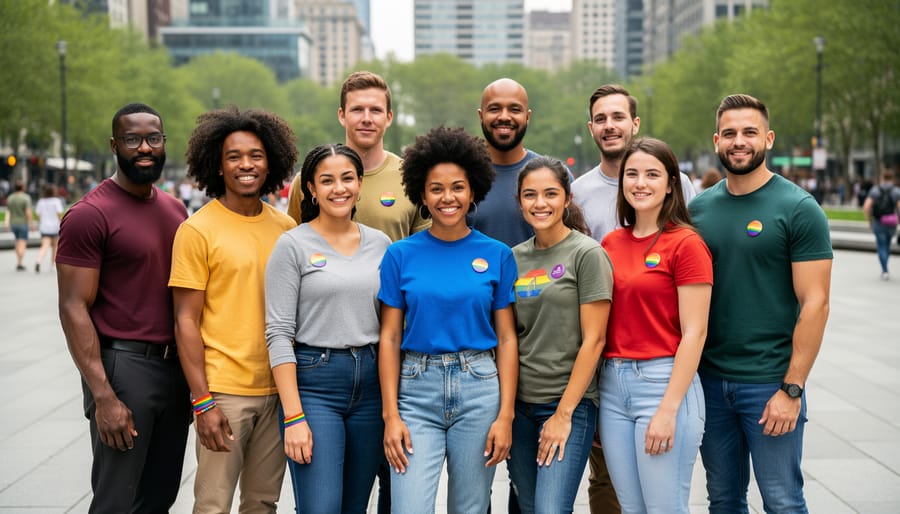
The Reality Check: Stories from the Community
I’m Marcus, a Black trans man in tech. During my performance review, my manager praised my “aggressive coding style” while simultaneously questioning whether I was “too emotional” when I pushed back on a project decision. My white coworkers get called “assertive” for the same behavior. I’m either threatening or overly sensitive, depending on which stereotype is more convenient in the moment.
When I transitioned, HR asked if I was “sure” I wanted to be seen as a man given how “difficult” it already was being Black in the company. They thought they were being helpful.
Jade’s story hits differently. She’s a femme Latina lesbian who joined what she thought would be an inclusive LGBTQ hiking group. “The first meetup, someone asked if I was there to pick up my boyfriend,” she told me. “When I said I was queer, the response was ‘Oh, you don’t look like it.’ Then they spent the hike talking about their Coachella plans and their therapists. Nobody asked where I was from or what I did. I was just… decoration, I guess. The diversity photo for their Instagram.”
She tried three more meetups before giving up. Each time, microaggressions stacked up, comments about her nails being “too done up” for hiking, surprise that she could keep pace on the trail, being talked over when she shared route suggestions. “I left because of racism, but they’d probably say I left because I wasn’t ‘outdoorsy enough’ or couldn’t handle their ‘banter,'” Jade said.
Terrence, a gay Black man, described his experience on dating apps as “shopping for rejection flavors.” Profile after profile states “no fats, no fems, no Asians”, and the ones that don’t say it outright show it through who they respond to. “I get fetishized or filtered out,” he explained. “Either I’m someone’s BBC fantasy or I’m invisible. And when racism gets called out in gay spaces, suddenly everyone’s just ‘stating preferences.’ But we all know what that means.”
In healthcare settings, the intersection becomes dangerous. Mx. Patel, a nonbinary South Asian person, went to urgent care with chest pain. The intake nurse misgendered them repeatedly despite corrections, then dismissed their symptoms as “anxiety” without running tests. “I couldn’t tell if they weren’t listening because I’m nonbinary, because I’m Brown, or because they assumed both meant I was overreacting,” they said. “I ended up in the ER two days later with a serious infection that could’ve been caught early.”
Each of these stories involves someone navigating spaces that claim to be progressive, tech companies with diversity statements, LGBTQ community groups, dating platforms with inclusive branding, healthcare facilities in liberal cities. The discrimination doesn’t announce itself with slurs or obvious hatred. It shows up in who gets believed, who gets heard, whose pain gets taken seriously, and who gets pushed to the margins even in spaces that are supposed to be safe.
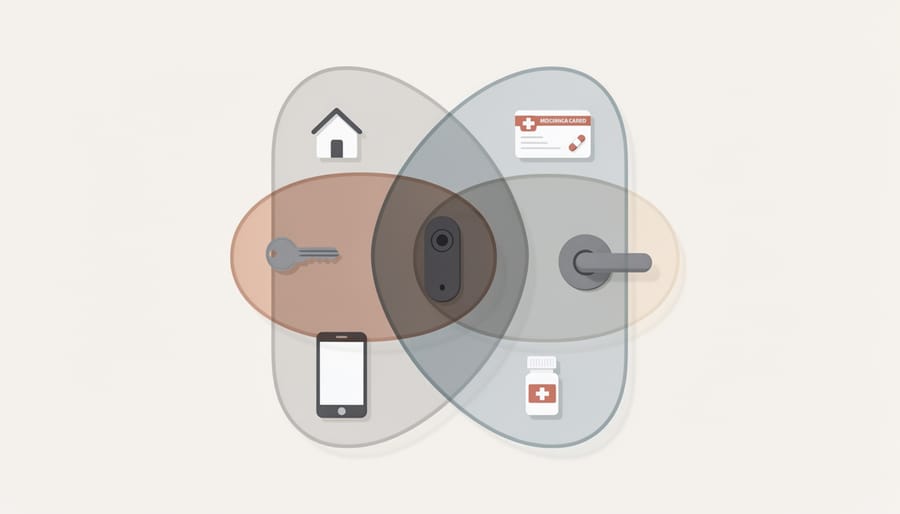
Where Discrimination Shows Up Most
In the Workplace
The resume with the “ethnic-sounding” name gets passed over. The interview goes well until pronouns come up, and suddenly the hiring manager has “concerns about culture fit.” Once hired, LGBTQ people of color watch white colleagues get promoted faster, despite doing comparable work. They’re constantly asked to speak for their entire race or gender identity in diversity meetings, but their actual concerns about pay equity get brushed aside.
Research on LGBTQ wage gaps and discrimination shows that queer and trans people of color earn significantly less than their white LGBTQ counterparts, facing a compounded penalty that straight people of color and white LGBTQ individuals don’t experience to the same degree. The math is brutal: you’re dealing with the racial wage gap, the LGBTQ wage gap, and often the gender wage gap all at once.
Then there are the microaggressions that pile up daily. Being told you’re “articulate” with visible surprise. Having your natural hair or cultural dress coded as “unprofessional.” Getting misgendered while also fielding racist comments. Watching the company celebrate Pride Month with rainbow logos while ignoring that their leadership is entirely white. These aren’t isolated incidents. They’re the constant hum of navigating a workplace built for people who don’t look like you and don’t love like you.
In Healthcare Settings
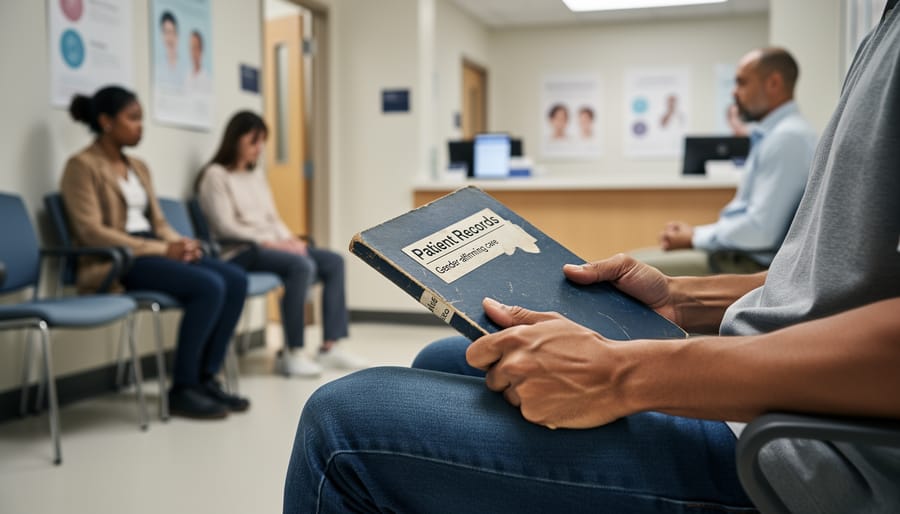
Healthcare becomes a minefield when providers bring both racial and gender biases to the exam room. LGBTQ people of color report being misgendered while simultaneously facing assumptions based on racist stereotypes, like providers dismissing pain complaints from Black patients or assuming all Asian patients are cisgender and heterosexual. A trans woman of color might encounter a doctor who refuses to use correct pronouns while also subjecting her to racially insensitive comments about her body.
The American Medical Association recognizes these compounded barriers at the intersection of race and LGBTQ identity where patients face higher rates of medical mistrust and delayed care. Finding providers who understand both gender-affirming care and cultural competency feels nearly impossible in many areas. When you’re explaining your pronouns and your cultural background while trying to get treatment for an actual health concern, the appointment becomes exhausting before addressing why you came.
The result? Many avoid healthcare altogether until conditions become critical, creating worse outcomes that providers then blame on the patients themselves.
Within LGBTQ Spaces
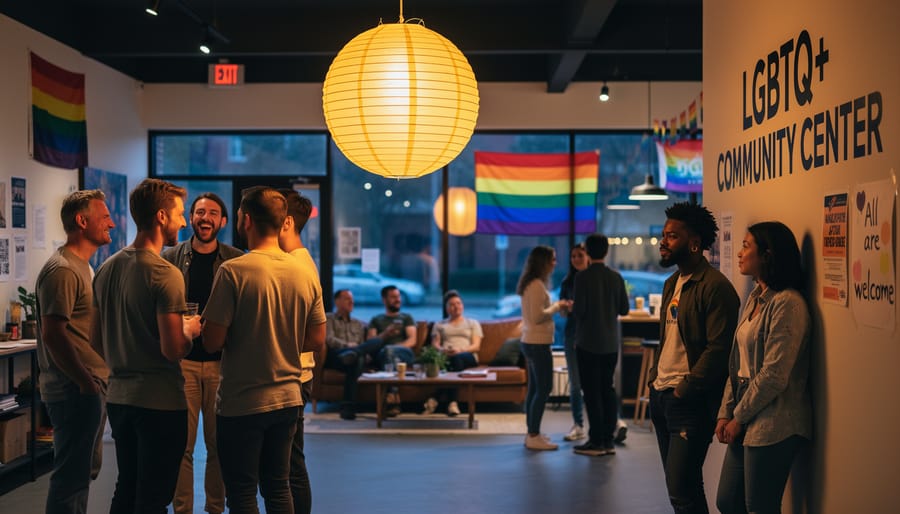
The rainbow flag promises unity, but LGBTQ spaces aren’t immune to the racism that permeates society. Queer people of color consistently report feeling tokenized at Pride events, fetishized on dating apps with profiles stating racial “preferences,” and excluded from leadership roles in predominantly white LGBTQ organizations.
Trans people of color face a particularly harsh reality. White trans individuals often receive more platform, funding, and protection, while Black and brown trans folks, especially trans women, experience higher rates of violence with less community support. A 2025 study found that 73% of trans people of color felt unwelcome in mainstream LGBTQ spaces due to racial bias.
The “no fats, no femmes, no Asians” culture of gay male spaces illustrates how racism intersects with body shaming and misogyny. Meanwhile, lesbian communities wrestle with their own history of excluding women of color from spaces and conversations.
These patterns matter because LGBTQ people of color deserve spaces where they don’t face the same racial hierarchies they encounter everywhere else. True solidarity means white LGBTQ folks doing the internal work to dismantle their own racism.
The Mental Health Toll Nobody Talks About
The constant vigilance required to navigate racism and gender discrimination simultaneously creates a psychological burden that most people never have to carry. For LGBTQ people of color, there’s no “off switch”, you can’t compartmentalize being Black when you walk into a gay bar, and you can’t set aside being trans when you’re experiencing racial profiling. This relentless exposure to multiple forms of discrimination produces what researchers call minority stress, but compounded several times over.
Dr. Iman Thompson, a clinical psychologist specializing in LGBTQ mental health, explains that clients experiencing intersectional discrimination often describe a perpetual hypervigilance. “They’re constantly scanning environments for safety on multiple levels, will this space be racist? Homophobic? Transphobic? All three?” This exhausting mental labor rarely gets acknowledged, yet it directly contributes to higher rates of anxiety disorders and depression among LGBTQ people of color compared to their white LGBTQ peers.
The trauma manifests in ways that catch people off guard. Marcus, a 28-year-old gay Black man, developed panic attacks after repeatedly being told by potential employers that he seemed “unprofessional” despite having stronger credentials than white colleagues who got hired. “I started second-guessing everything, how I dressed, how I spoke, whether I was ‘too gay’ or ‘too Black’ for any given situation. Eventually, I couldn’t even send job applications without my heart racing.”
Depression hits differently when you’re fighting battles on multiple fronts. Many LGBTQ people of color describe feeling exhausted not just by discrimination itself, but by having to constantly educate others, prove their experiences are real, and justify why racism within LGBTQ spaces or gender discrimination within racial justice movements both matter. This emotional labor receives no compensation and little recognition, yet demands massive psychological resources.
The isolation compounds everything. When neither predominantly white LGBTQ spaces nor straight communities of color feel fully safe, where do you find refuge? This sense of not fully belonging anywhere creates what therapists call “double consciousness”, always aware of how you’re perceived through multiple lenses of bias, never able to simply exist without that awareness.
Finding mental health support that truly understands these intersecting identities remains frustratingly difficult. Therapists who get racial trauma may not understand gender identity issues. Providers affirming of LGBTQ identities often lack cultural competence around race. What’s needed, and what too few can access, is treatment that recognizes how these experiences of discrimination intertwine and create unique psychological impacts that can’t be addressed by focusing on just one aspect of identity.
What Actually Helps: Moving Beyond Performative Allyship
Let’s be honest: rainbow logos during Pride Month mean nothing if you’re not doing the actual work year-round. Real allyship for LGBTQ people of color requires more than social media posts and good intentions. It demands sustained action, uncomfortable conversations, and genuine commitment to change.
Start by examining your own biases. Everyone has them, including people within marginalized communities. Ask yourself: Do I assume certain leadership roles should go to white members of LGBTQ organizations? Do I treat gender identity differently depending on someone’s race? Do I center white voices when discussing discrimination? These questions aren’t comfortable, but they’re necessary.
The most effective allies understand that their role is to amplify, not speak over. When LGBTQ people of color share their experiences, believe them without requiring proof or comparative trauma. Don’t ask them to educate you on demand or explain why something is racist, do your own research first. Compensate people fairly when they do choose to share their expertise through workshops, panels, or consultations. Their emotional labor has value.
- Audit your spaces for actual inclusion. Look at who holds power in your organization, whose voices dominate meetings, and whose experiences shape policies. Numbers matter, but so does influence.
- Challenge discrimination when you see it, especially in predominantly white LGBTQ spaces. Silence is complicity. Address racist comments or exclusionary behavior immediately, even when it’s awkward.
- Support LGBTQ-owned businesses and organizations led by people of color financially. Put your money where your mouth is, and do it consistently, not just during heritage months.
- Advocate for policy changes that address intersectional discrimination. Push for hiring practices that don’t just check diversity boxes but actively recruit and retain LGBTQ people of color in leadership roles.
- Create accountability structures. Establish clear consequences for discriminatory behavior and transparent processes for addressing complaints. Make sure LGBTQ people of color have safe channels to report issues without fear of retaliation.
Organizations need to go beyond diversity training that treats racism and gender discrimination as separate issues. Develop intersectional frameworks that recognize how these systems interact. Review your policies through the lens of those most marginalized, if your anti-discrimination measures don’t specifically protect LGBTQ people of color, they’re incomplete.
Community spaces should regularly assess who feels welcome and who doesn’t. Anonymous surveys, focus groups centered on LGBTQ people of color, and exit interviews when members leave can reveal patterns you’re missing. Then act on what you learn, even when feedback challenges comfortable narratives about your community being “already inclusive.”
Remember that allyship isn’t a destination or a badge you earn. It’s ongoing work that requires humility, mistakes you’ll learn from, and the understanding that you’ll never fully grasp someone else’s lived experience. That’s the point, you’re not supposed to understand everything. You’re supposed to listen, support, and keep showing up even when it’s hard.
Resources and Support for Those Experiencing Discrimination
Finding support when facing discrimination shouldn’t require navigating a maze of resources that weren’t built for your experience. Here are organizations and services specifically equipped to support LGBTQ people of color dealing with intersecting forms of discrimination.
National Organizations with Intersectional Focus
The Audre Lorde Project offers community organizing and advocacy for LGBTQ people of color in the New York area, with resources that extend nationally. The National Queer and Trans Therapists of Color Network maintains a directory of mental health providers who understand the specific psychological impacts of facing both racism and gender discrimination. For immediate crisis support, the Trans Lifeline (877-565-8860) is staffed by transgender people and explicitly addresses the needs of callers experiencing multiple forms of marginalization.
Legal Support and Documentation
Lambda Legal provides free legal assistance for discrimination cases involving both racial and LGBTQ identity. The NAACP LGBTQ+ Task Force helps navigate situations where civil rights violations intersect. Document everything: save emails, texts, and written communications, note dates and witnesses, and photograph any relevant evidence before reaching out to legal advocates.
Mental Health Resources
The Boris Lawrence Henson Foundation focuses on mental health support for communities of color and includes LGBTQ-affirming therapists in their network. The Steve Fund provides crisis text support (text STEVE to 741741) specifically for young people of color dealing with emotional distress. Many therapists now offer sliding-scale fees and telehealth options, making culturally competent care more accessible than in previous years.
Community and Peer Support
Local LGBTQ centers in major cities often have affinity groups for people of color, check your nearest center’s calendar for regular meetups. Online communities like the Black Trans Femmes in the Arts collective and Brown Boi Project create spaces where you don’t have to explain your whole identity before receiving support. Sometimes peer connection matters as much as professional services.
Fighting racism and gender discrimination isn’t about checking boxes or posting solidarity statements when it’s trending. It requires us to sit with uncomfortable truths about how these systems of oppression feed each other, particularly for LGBTQ people of color who navigate both every single day.
The work starts with listening. Really listening, without centering our own feelings or jumping to defend ourselves when called out. The experiences shared throughout this article aren’t abstractions or talking points. They’re real lives shaped by compounding barriers that many of us will never face. When someone tells you about discrimination they’ve experienced, believe them. Don’t ask them to educate you, debate their reality, or explain why something hurt. That emotional labor shouldn’t fall on those already carrying the weight.
Next comes the hard part: examining our own biases. We all have them, absorbed from a culture steeped in racism and gender-based prejudice. Ask yourself who you listen to, whose voices you amplify, who gets opportunities in your workplace or organization, who feels welcome in spaces you create or occupy. Notice patterns in your reactions and assumptions. This introspection isn’t about guilt, it’s about growth.
Then commit to sustained action. Show up for policy changes that address systemic discrimination. Support organizations led by and serving LGBTQ people of color, not just with words but with resources and platform. Challenge racism and transphobia when you see it, especially in spaces that claim to be inclusive. Vote for leaders who understand intersectionality and back it up with legislative action.
Real change happens when we move beyond performative allyship to consistent, uncomfortable work. The question isn’t whether you’ll make mistakes. You will. The question is whether you’ll keep showing up anyway.







0